.png)

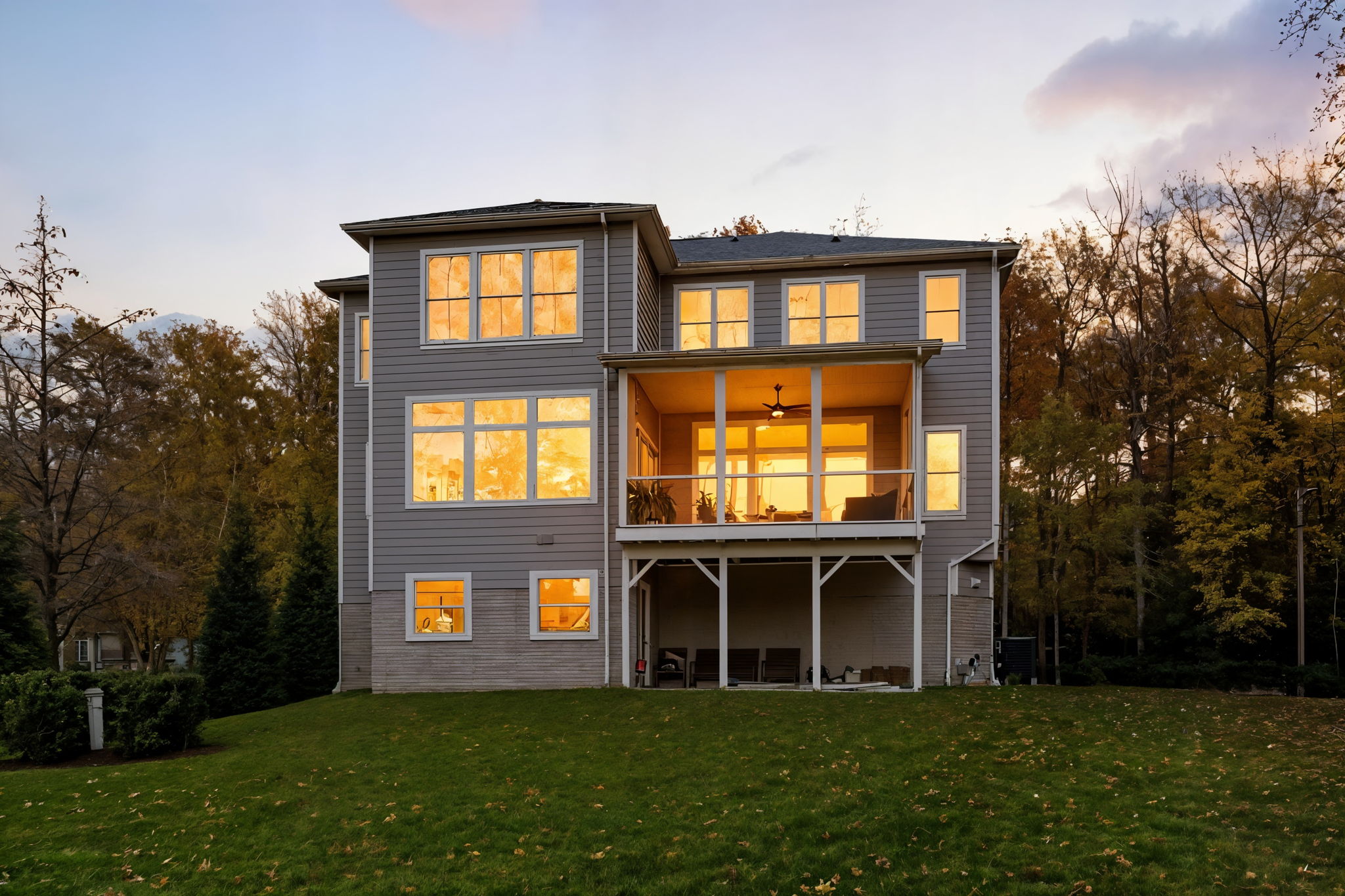
One of the first questions every first-time builder asks is some version of the same thing: how long is this going to take? It is a fair question, and the honest answer is that it depends on more variables than most people expect going in. In Bethesda, those variables are shaped by Montgomery County's permitting process, the characteristics of your specific lot, the complexity of your design, and how well your builder manages each phase from start to finish.
Understanding your new construction Maryland timeline before you break ground is one of the most important things you can do to protect your budget, your schedule, and your peace of mind. This guide walks through each stage of the process, what drives timing in the Bethesda market specifically, and how Whitehall Building & Company structures every project so clients always know where they stand.
Why Bethesda Timelines Differ From the Rest of Maryland
Not every jurisdiction in Maryland moves at the same pace, and Montgomery County has its own permitting rhythm. The county's Department of Permitting Services handles plan review, zoning approvals, and inspection scheduling for all residential construction. Depending on project complexity and submission volume, the review process for a custom home can take several months before a single shovel goes in the ground.
Bethesda lots add another layer of consideration. Many parcels in established neighborhoods like Edgemoor, Bradley Hills, and Burning Tree Estates sit on sloped terrain with mature tree canopies. Montgomery County's forest conservation requirements may apply depending on the size and condition of trees on or near your site. Impervious surface limits also affect site design, particularly on smaller infill lots where every square foot of coverage counts. A builder who knows this terrain does not discover these issues mid-project. They plan around them from the first site review.
Phase One: Design, Planning, and Pre-Construction
Before any permits are filed, your project goes through a design and pre-construction phase. This is where your vision becomes a set of construction documents detailed enough to submit for county review. For a custom home in Bethesda, this phase typically involves an architect producing drawings that address structural design, mechanical and electrical systems, site grading, stormwater management, and exterior elevations.
The length of this phase varies with design complexity. A more intricate floor plan or a site with significant grade changes will require more iterations before documents are ready for submission. Whitehall works closely with architects and design professionals throughout this process to keep things moving and catch coordination issues before they become permit comments or field problems. Front-loading this work is one of the most reliable ways to protect your overall new construction Maryland timeline from delays that compound later.
Phase Two: Permitting and Approvals
Once construction documents are submitted to Montgomery County, the review clock starts. The county reviews for zoning compliance, building code adherence, and site engineering requirements. Projects in certain design review zones or on lots that trigger additional environmental review may require coordination with additional agencies.
Plan review is not always a single-pass process. Comments come back, revisions are made, and resubmittals are reviewed in turn. An experienced builder manages this exchange efficiently, submitting complete and well-coordinated documents from the start to reduce the back-and-forth. Whitehall's building team navigates this process on every project and understands what Montgomery County reviewers are looking for, which shortens the cycle considerably.
Phase Three: Site Work and Foundation
With permits in hand, site work begins. In Bethesda, this phase can be more involved than it would be on a flat, cleared lot. Many sites require tree removal coordination under county guidelines, erosion and sediment control measures, and careful excavation on grades that affect both foundation design and drainage plans.
Foundation type matters here too. A site with significant slope may call for a walkout basement or a stepped foundation rather than a standard slab, and that affects both schedule and cost. Soil conditions in parts of Montgomery County can also influence excavation depth and foundation preparation. Whitehall conducts a thorough site assessment before construction begins so none of these variables surface as surprises once the equipment is on site.
Phase Four: Framing Through Mechanical Rough-In
Once the foundation is set and inspected, vertical construction begins. Framing establishes the skeleton of your home and moves relatively quickly on a well-organized job site. After framing inspections clear, mechanical trades, plumbers, and electricians complete their rough-in work before walls are closed in.
This phase of your new construction Maryland timeline is where coordination matters most. Delays happen when subcontractors are scheduled out of sequence, when material lead times are not accounted for in advance, or when inspection scheduling creates gaps in the work. Whitehall manages a coordinated schedule across all trades so each phase hands off to the next without unnecessary downtime. Clients receive regular updates throughout so they know exactly what is happening and what is coming next.
Phase Five: Interior Finishes and Final Inspections
Interior finish work covers everything from insulation and drywall through flooring, cabinetry, tile, fixtures, and trim. This phase involves the most client decision-making, and the selections you make before construction begins have a direct effect on how smoothly it runs. Long lead-time items like custom cabinetry, specialty tile, and fixtures need to be ordered well in advance. A builder who waits until framing is complete to start these conversations will almost always encounter delays.
Whitehall walks clients through their selections during pre-construction so orders are placed early and materials arrive when they are needed. Final inspections with Montgomery County follow the completion of all systems and finishes, and a certificate of occupancy is issued once everything clears. According to the National Association of Home Builders, the average time to build a custom home on your own lot nationally runs over a year when permitting and site work are included, and in higher-complexity markets like Bethesda, thorough upfront planning is what keeps projects on the shorter end of that range.
To learn more about what new construction in Maryland and Virginia involves from start to finish, explore Whitehall's new construction process and see how each phase is structured.
How to Keep Your Timeline on Track
The most reliable way to protect your schedule is to choose a builder who treats planning as seriously as construction. That means a complete pre-construction process, early material procurement, active permit coordination, and consistent communication throughout every phase.
Whitehall keeps clients informed at every stage of the build. When something affects the schedule, you hear about it promptly and with a clear explanation of how it is being addressed. There are no surprises waiting at the end of the project. The Montgomery County Department of Permitting Services also provides public resources on the residential permitting process that can help first-time builders understand what to expect on the approval side before construction begins.
If you are ready to start planning your custom home in Bethesda and want to understand exactly what your new construction Maryland timeline will look like, connect with the Whitehall team and let's map it out together.